
How Property Managers Can Choose Outdoor Furniture That Reduces Replacement Costs
For property managers, outdoor furniture is not just a design decision. It is an operating decision. The right furniture can improve guest experience, strengthen property presentation, and reduce replacement frequency. The wrong furniture can create maintenance issues, safety concerns, and repeated costs that add up over time.
Whether you manage vacation rentals, furnished homes, or outdoor spaces for multiple properties, outdoor furniture should be chosen with durability, maintenance, and long-term value in mind. While style still matters, the biggest priority is selecting furniture that performs well under regular use and holds up in the climate where it will live.
In this guide, we’ll cover how property managers can choose outdoor furniture that lasts longer, looks better, and helps reduce unnecessary replacement costs.
Why Property Managers Need to Think Differently About Outdoor Furniture
Owner-occupied homes and managed properties have different needs. A homeowner may be willing to accept more maintenance or a more delicate furniture style. Property managers usually need something more durable and practical.
Outdoor furniture for managed properties should ideally be:
- durable enough for repeated guest use
- easy to clean and maintain
- appropriate for the climate
- visually attractive in listing photos
- stable and safe for everyday use
- cost-effective over the long term
In many cases, the lowest-cost option up front becomes the most expensive option later because it needs to be repaired or replaced too soon.
Prioritize Durability Over Trend-Driven Buying
Design trends come and go, but managed properties benefit most from furniture that combines a clean, timeless look with strong performance.
Good property-management furniture choices usually focus on:
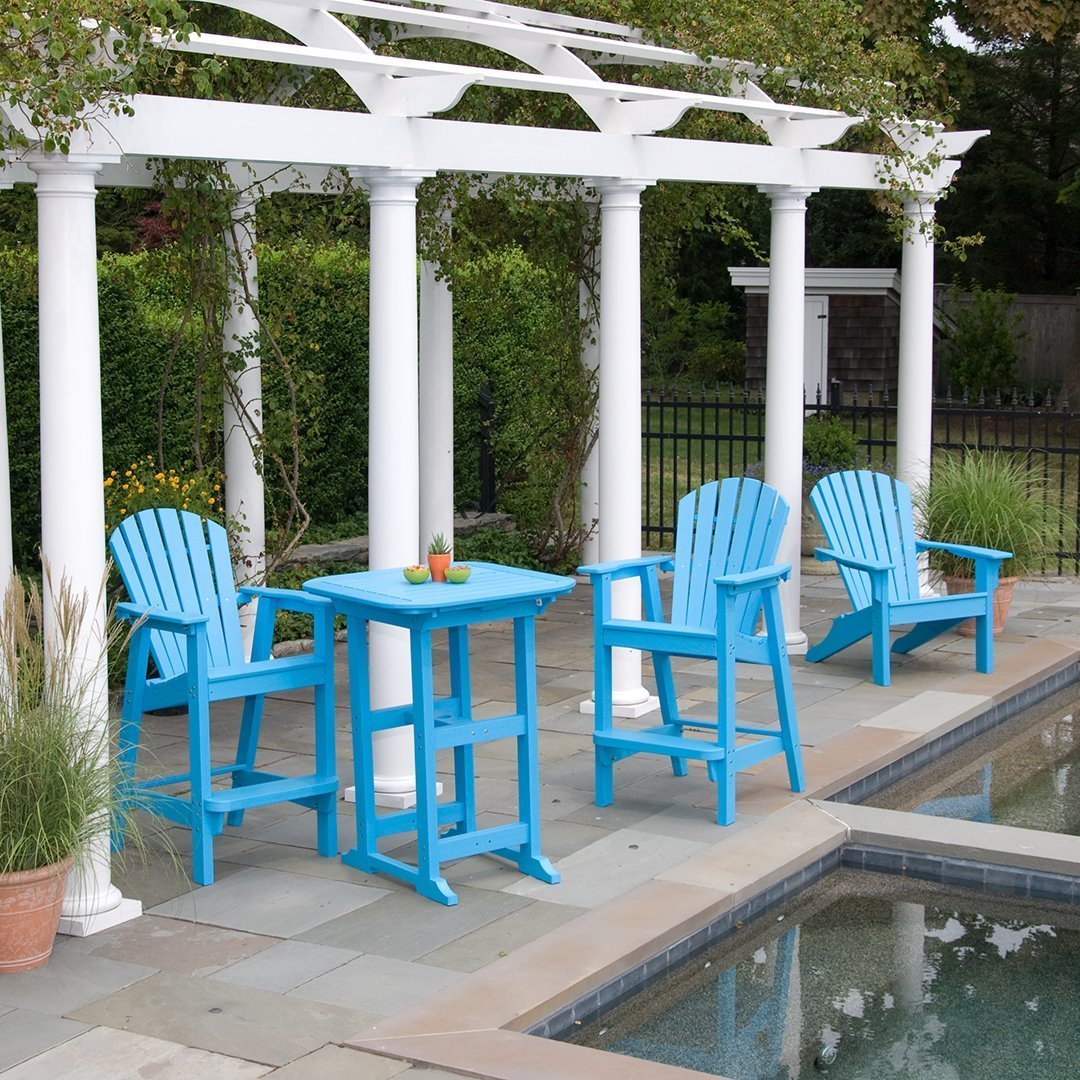
- powder-coated aluminum
- poly lumber or marine-grade polymer
- high-quality synthetic wicker
- performance outdoor fabrics
- durable tabletops and surfaces
These materials tend to perform better in rental and repeated-use situations than lower-end steel, fragile wicker, or furniture designed more for appearance than durability.
Choose Materials Based on Climate
The climate where the property is located should always shape furniture selection.
Coastal properties
Salt air can increase corrosion and wear. Focus on materials like marine-grade polymer, poly lumber, powder-coated aluminum, and high-quality performance fabrics.
Hot and sunny climates
Strong UV exposure can fade fabrics and weaken finishes. Look for furniture and cushions built for sun resistance.
Humid or rainy climates
Moisture resistance and mildew-resistant fabrics become especially important.
Mixed climates
If the property sees different conditions throughout the year, choose versatile, lower-maintenance materials that can handle temperature changes and seasonal exposure.
Matching material choice to climate is one of the simplest ways to reduce replacement frequency.
Buy for How the Space Is Actually Used
One of the most common mistakes in managed properties is buying furniture that looks impressive but does not fit how the outdoor space is actually used.
Before selecting furniture, ask:
- Is this patio mainly used for dining?
- Is the space designed for socializing and lounging?
- Does the property host couples, families, or larger groups?
- Will the furniture be used frequently or only occasionally?
The answers help determine whether a space needs dining furniture, modular seating, simple lounge pieces, or a mix of zones.
Furniture that fits real use patterns tends to last longer because it supports the intended experience more effectively.
Lower Maintenance Usually Means Better Long-Term Value
Property managers rarely benefit from furniture that requires frequent refinishing, delicate cleaning, or constant repositioning.
Furniture that is easier to maintain can reduce:
- labor time
- maintenance headaches
- owner frustration
- guest complaints
- replacement cost over time
That is why lower-maintenance materials often offer stronger value even when the purchase price is higher up front.
Don’t Ignore Guest Experience
While durability matters, so does comfort and overall appearance. Outdoor furniture should help the property feel more inviting, more functional, and more complete.
For managed properties, that can influence:
- guest satisfaction
- listing photos
- perceived value
- repeat bookings in short-term rentals
- overall presentation of the property
Furniture that feels uncomfortable, unstable, or poorly arranged can reduce the quality of the outdoor experience even if it technically “holds up.”
Best Furniture Types for Managed Properties
For most managed homes and vacation rentals, these categories tend to perform well:
Outdoor dining sets
These create a practical, immediately usable outdoor space for meals and gatherings.
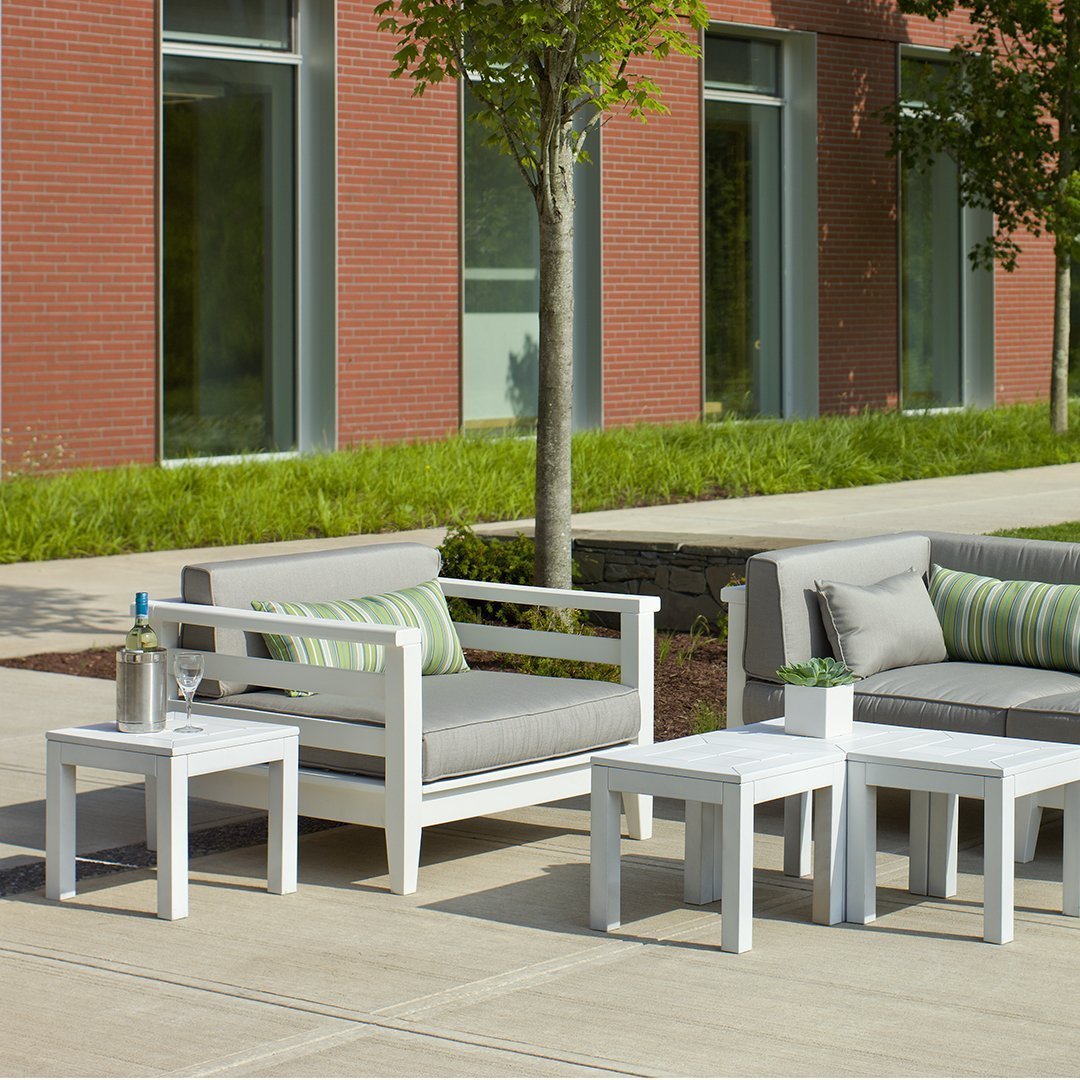
Conversation sets
A sofa or loveseat with chairs and a table can make patios feel welcoming and complete.
Modular sectionals
These work well for larger outdoor areas and can support group seating.
Chaise lounges
These are especially useful near pools or relaxation-focused outdoor spaces.
Accent tables and fire features
Smaller support pieces help make the patio feel functional and finished.
Common Mistakes That Increase Replacement Costs
Property managers should try to avoid these common outdoor-furniture mistakes:
Buying low-cost furniture for high-use spaces
Lower upfront cost often leads to quicker wear and more frequent replacement.
Ignoring climate
Furniture that works well inland may perform poorly near salt air or heavy humidity.
Choosing overly delicate materials
Managed properties usually benefit from stronger, lower-maintenance choices.
Focusing only on style
Appearance matters, but furniture still needs to support practical long-term use.
Overlooking covers and care
Even durable furniture lasts longer when basic protection and cleaning are part of the plan.
Final Thoughts
For property managers, outdoor furniture should be viewed as a long-term operating asset, not just a decorative purchase. The best choices reduce replacement costs, improve guest experience, and help outdoor spaces stay attractive and functional over time.
When you choose materials and furniture types based on climate, use, comfort, and maintenance needs, you create a better experience for both owners and guests while protecting the long-term value of the property.
Shop Durable Outdoor Furniture for Vacation Homes and Managed Properties
If you’re looking for outdoor furniture that balances durability, comfort, and long-term value, explore our collection below.
Questions before you buy? Contact us here