
How to Transition Your Patio From Summer to Fall Without Replacing Everything
You do not need a new patio every time the season changes.
In fact, the best outdoor spaces usually start with a strong foundation that works throughout the year.
When summer turns to fall, a few targeted changes can make your patio feel warmer, more comfortable and more appropriate for cooler weather without replacing your furniture.
Here is how to make the transition.
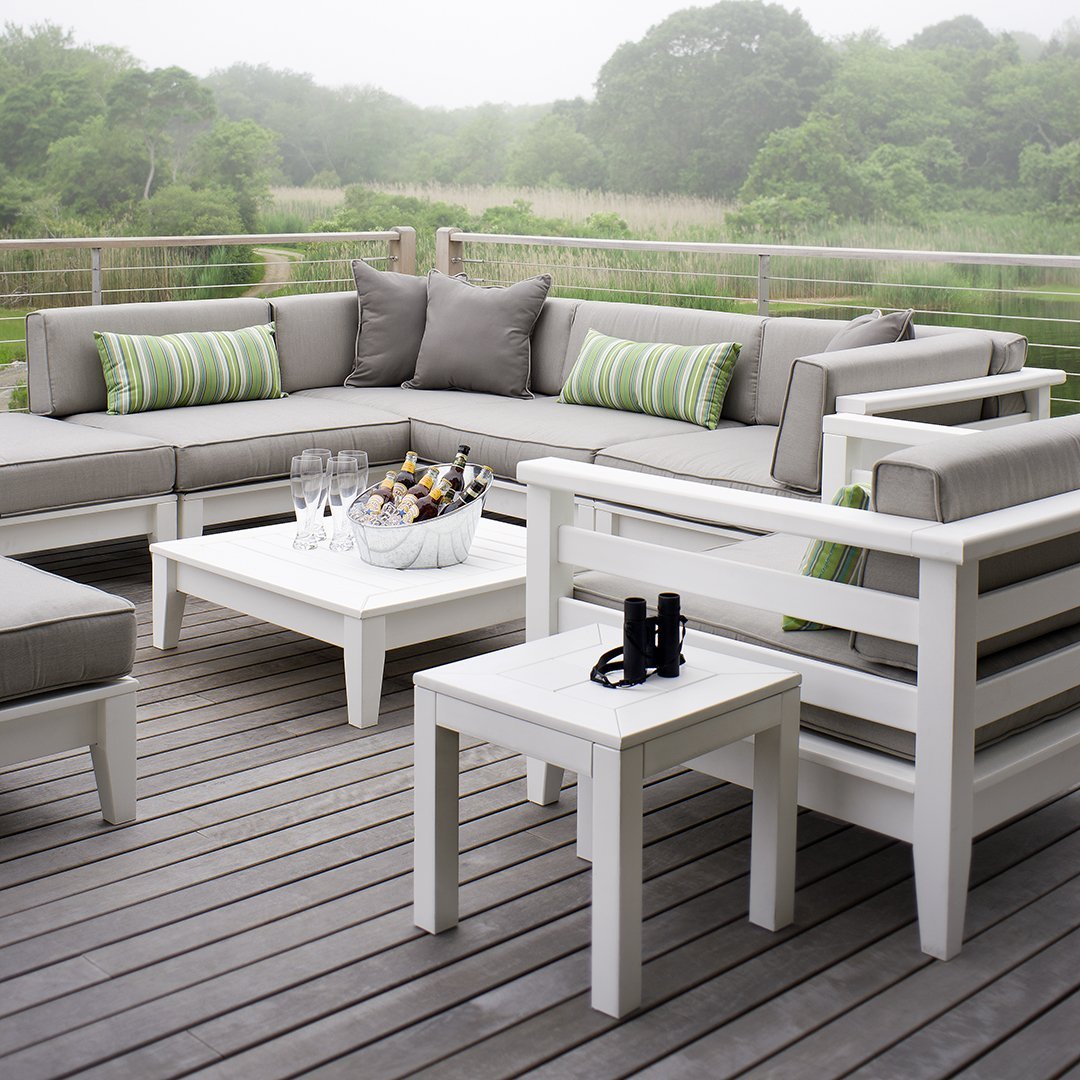
Keep Your Main Furniture
Start with the biggest investment: your outdoor furniture.
If your dining set, sectional, lounge chairs and tables still work for the space, keep them.
Instead of replacing furniture, change what surrounds it.
A timeless outdoor furniture foundation makes seasonal decorating much easier.
Change the Textures
Summer outdoor spaces often feel light and minimal.
Fall can feel warmer.
Introduce texture through:
-
outdoor pillows
-
throws that are stored indoors when not in use
-
textured planters
-
natural materials
-
warmer table accessories
You do not need dozens of seasonal decorations.
A few intentional changes are usually enough.
Shift the Color Palette
You also do not need to cover the patio in orange pumpkins.
A more refined fall palette can include:
-
warm beige
-
sand
-
olive
-
sage
-
rust
-
charcoal
-
deep blue
-
muted brown
Choose one or two seasonal accent colors and repeat them rather than introducing too many competing shades.
Add a Fire Feature
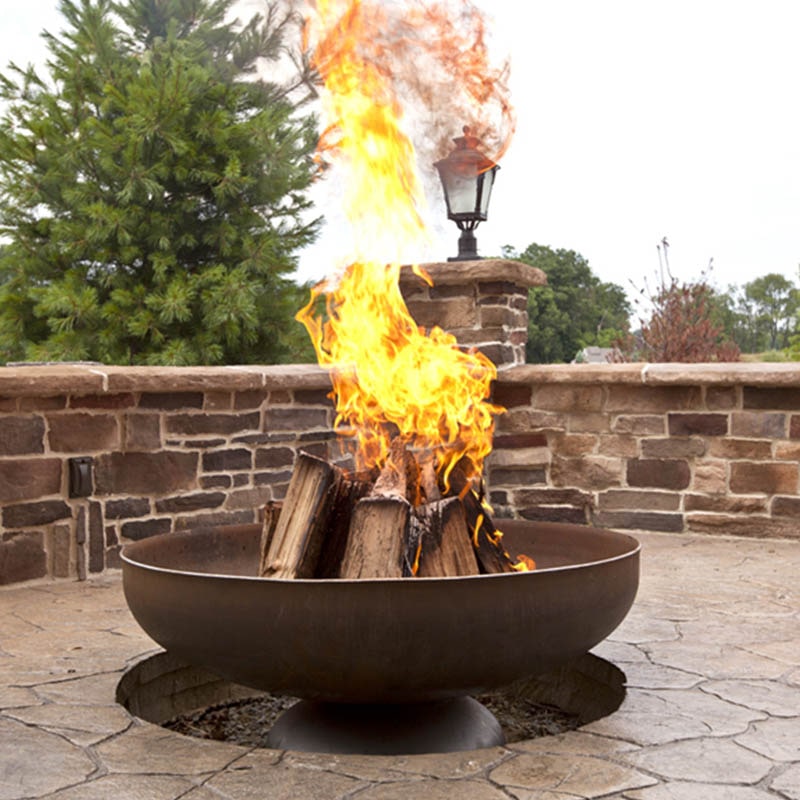
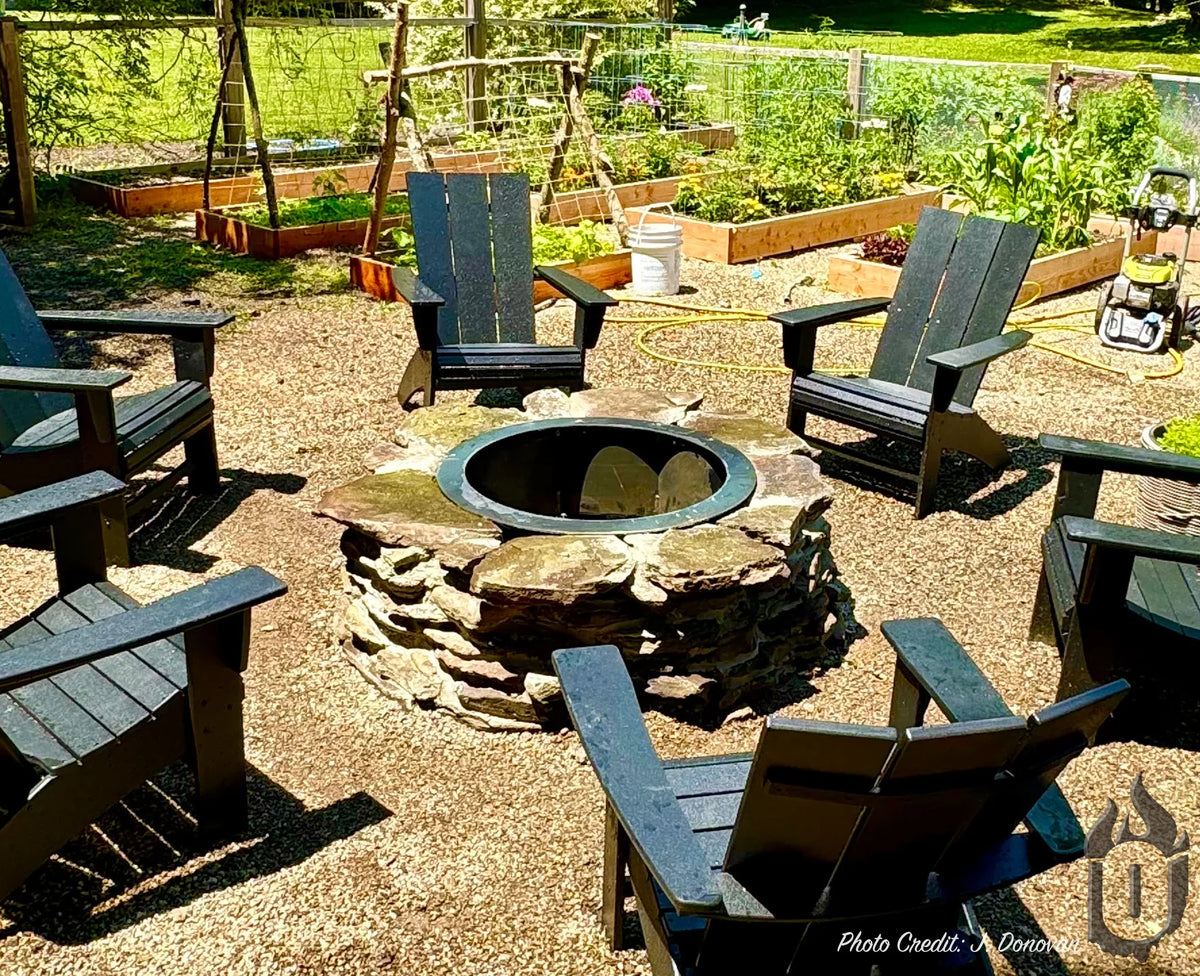
One of the most functional fall upgrades is a fire pit.
It changes both the appearance and usability of the patio.
Arrange seating around it and you immediately create a new fall gathering area without replacing your existing furniture.
Move the Dining Experience Outside
Fall can be one of the most comfortable times for outdoor dining.
Instead of abandoning the patio after Labor Day, use it differently.
Fall outdoor meals can include:
-
weekend brunches
-
football gatherings
-
family dinners
-
birthday celebrations
-
Thanksgiving-style meals
-
casual entertaining
Good lighting and comfortable seating become increasingly important as evenings get darker earlier.
Upgrade Your Outdoor Cooking Area
Fall is also an excellent time to use the grill.
Outdoor kitchens are not limited to summer.
They work beautifully for:
-
steaks
-
burgers
-
vegetables
-
game-day food
-
pizza
-
holiday meals
-
weekend entertaining
If your existing grill area feels disconnected from the patio, consider making it a more intentional part of the design.
Add Better Lighting
Summer evenings stay bright late.
Fall evenings do not.
Lighting can completely change the feel of an outdoor space after sunset.
Consider layers of appropriate outdoor lighting rather than relying on one bright fixture.
Think about:
-
pathways
-
dining areas
-
conversation areas
-
outdoor kitchens
-
steps
-
landscaping
Good lighting makes the patio feel warmer while also helping guests move safely around the property.
Prepare for Changing Weather
Fall weather can change quickly.
This is a good time to make sure your patio has a protection plan.
Check:
-
furniture covers
-
grill covers
-
cushion storage
-
drainage
-
loose accessories
-
umbrellas
-
fire features
Replace worn covers before the season becomes wetter.
Reposition Furniture
Sometimes the best fall upgrade costs nothing.
Look at your furniture layout.
During summer, furniture may be oriented toward:
-
a pool
-
a view
-
open lawn space
In fall, you may want to reorganize seating toward:
-
a fire pit
-
outdoor television
-
outdoor kitchen
-
covered area
Moving existing pieces can make the patio feel completely different.
Make the Patio Feel More Intimate
Summer often centers around large gatherings.
Fall can feel more relaxed.
Create smaller conversation areas rather than one large open arrangement.
For example:
-
two chairs and a small table
-
a sectional around a fire pit
-
dining chairs around a smaller table
-
a lounge area near the outdoor kitchen
These zones make larger patios feel more comfortable.
Don't Overdecorate
Fall decor should support the outdoor space rather than overwhelm it.
A premium patio usually benefits from restraint.
You might add:
-
a pair of seasonal planters
-
new outdoor pillows
-
a centerpiece
-
warmer lighting
-
a fire feature
Then stop.
Let the furniture and architecture remain the focus.
Final Thoughts
Transitioning a patio from summer to fall does not require starting over.
Keep the furniture that works. Change the layout. Add warmth. Improve lighting. Introduce a few seasonal textures and colors. Prepare for changing weather.
The result is a patio that feels fresh for fall without turning seasonal decorating into another major home project.
Refresh Your Outdoor Space for Fall
Need help planning your space?