
How Property Managers Can Protect Outdoor Furniture Between Guest Stays
A vacation rental patio can be one of a property's biggest selling features.
Guests picture morning coffee outside, dinner on the patio, afternoons by the pool, and evenings relaxing with family and friends.
But outdoor furniture at a rental property works harder than furniture at a typical home.
Different guests use it every week. Cushions get moved. Dining furniture sees spills. Weather changes between turnovers. And property managers need the space ready for the next arrival quickly.
The solution is not constant replacement. It is creating an outdoor setup that is easier to maintain.
Choose Furniture for the Property, Not Just the Photos
A beautiful listing photo matters, but the furniture needs to work after the photo shoot is over.
Before purchasing outdoor furniture for a rental, consider:
- how frequently the property is occupied
- average group size
- local weather
- exposure to sun and rain
- pool or ocean proximity
- cleaning frequency
- available storage
- how quickly your turnover team can reset the patio
The best furniture balances appearance with real-world usability.
Create a Standard Patio Layout
One simple way to make turnover easier is to give outdoor furniture a consistent home.
Decide exactly where:
- dining chairs belong
- lounge chairs belong
- side tables belong
- cushions belong
- umbrellas or shade products belong
Then photograph the finished layout.
Your property-management or cleaning team can use the photo as a reset guide after every guest stay.
Choose Dining Furniture Based on Guest Capacity
If a vacation home sleeps eight people but only has outdoor dining space for four, guests may drag chairs and furniture around the patio to create additional seating.
That makes the space harder to manage.
Instead, try to match outdoor dining capacity with the number of guests you normally accommodate.
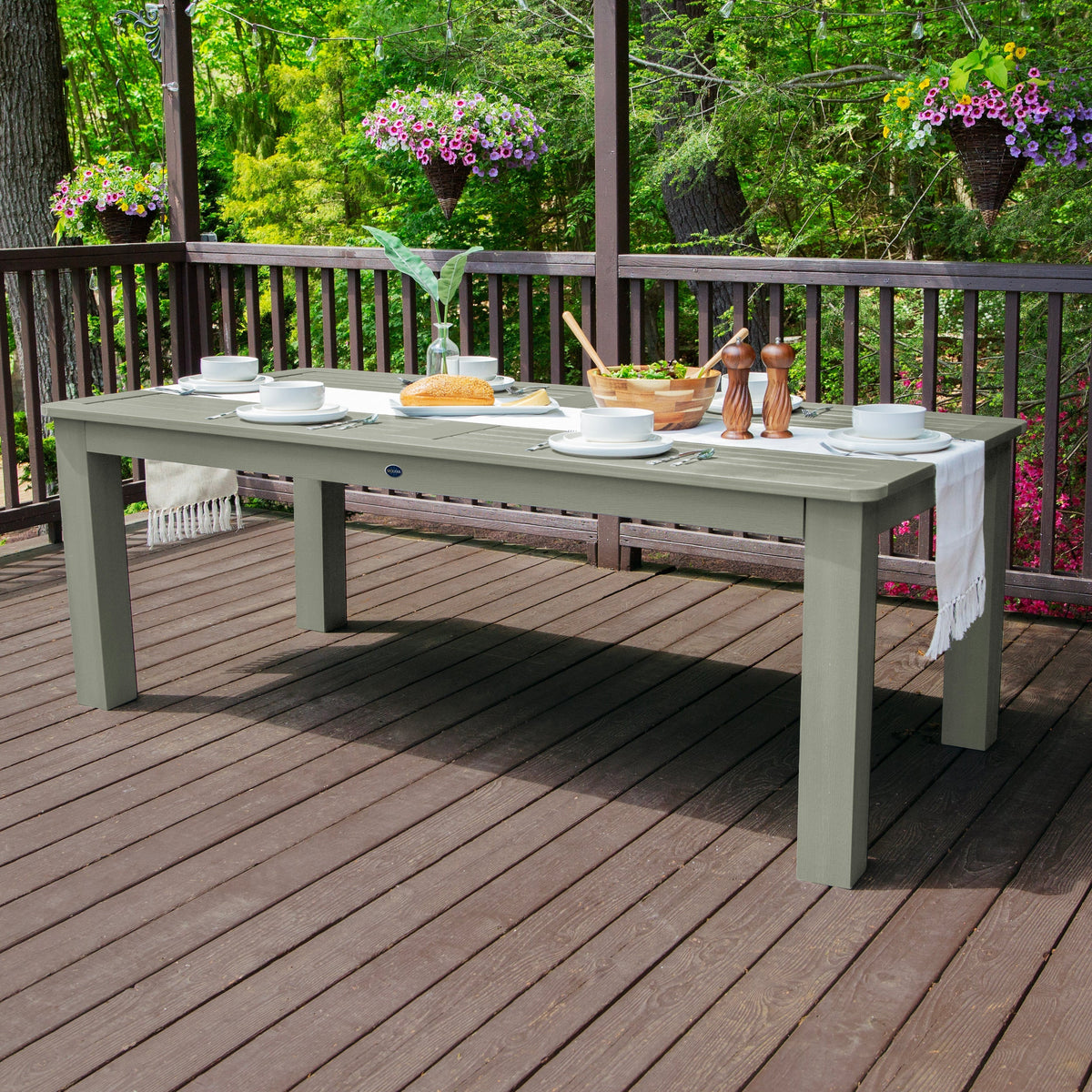
Vacation Home Furnishings currently carries Sequoia Outdoor Homestead dining tables in multiple shapes and sizes. The 42x84-inch counter-height model, for example, is described as seating up to ten guests.
Smaller Properties Need Smart Furniture Too
Not every vacation rental has a large patio.
Condos, townhomes, cabins and smaller coastal properties often need compact pieces that make good use of limited outdoor space.
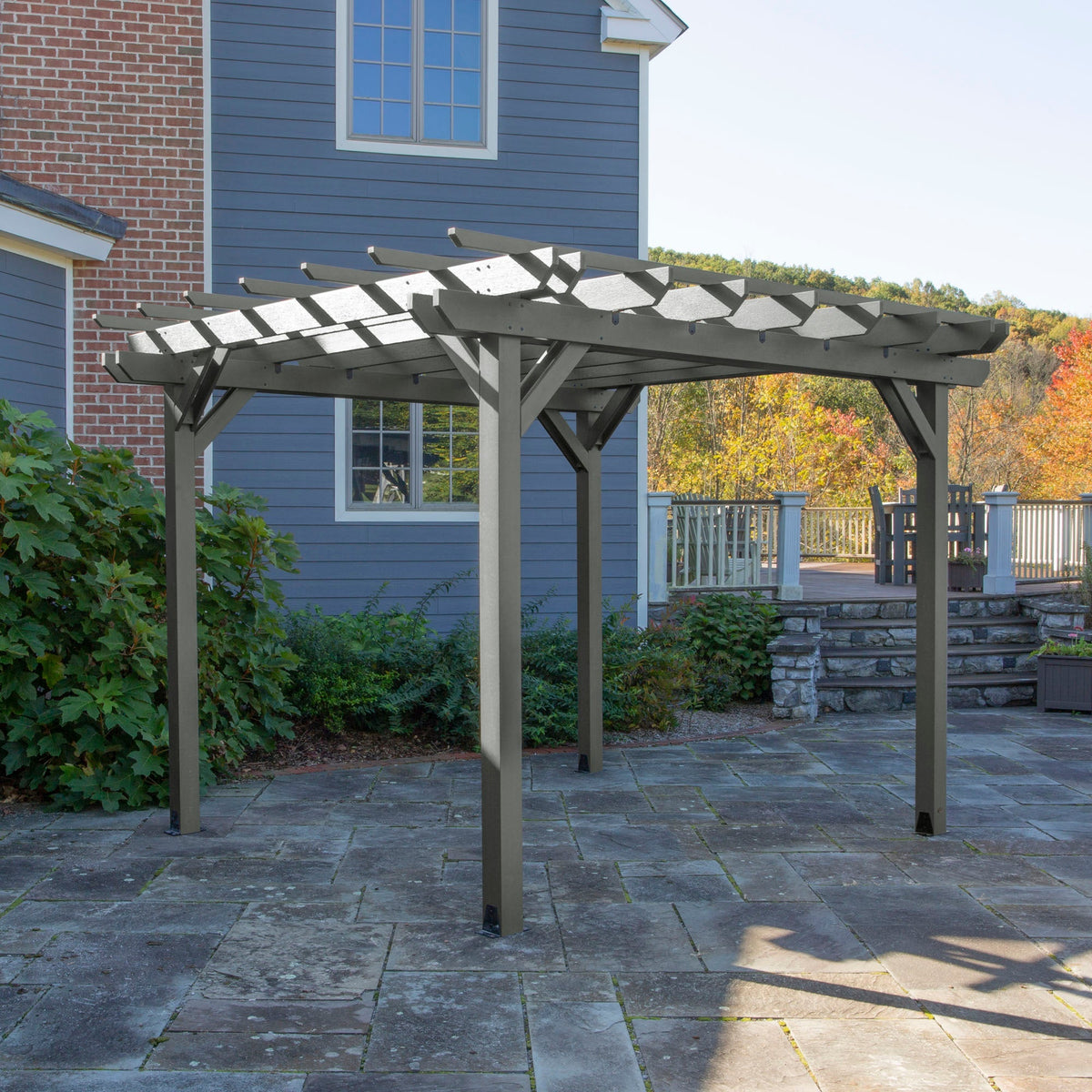
The current Sequoia Outdoor Blue Ridge 3-Piece Counter Height Balcony Set is one example of furniture designed for a smaller outdoor footprint.
A small patio does not need to feel unfinished. It simply needs furniture scaled correctly for the space.
Add Covers to the Turnover Routine
Outdoor covers can be particularly useful when a property will sit empty between bookings.
They can help protect furniture from:
- rain
- debris
- pollen
- dust
- changing weather
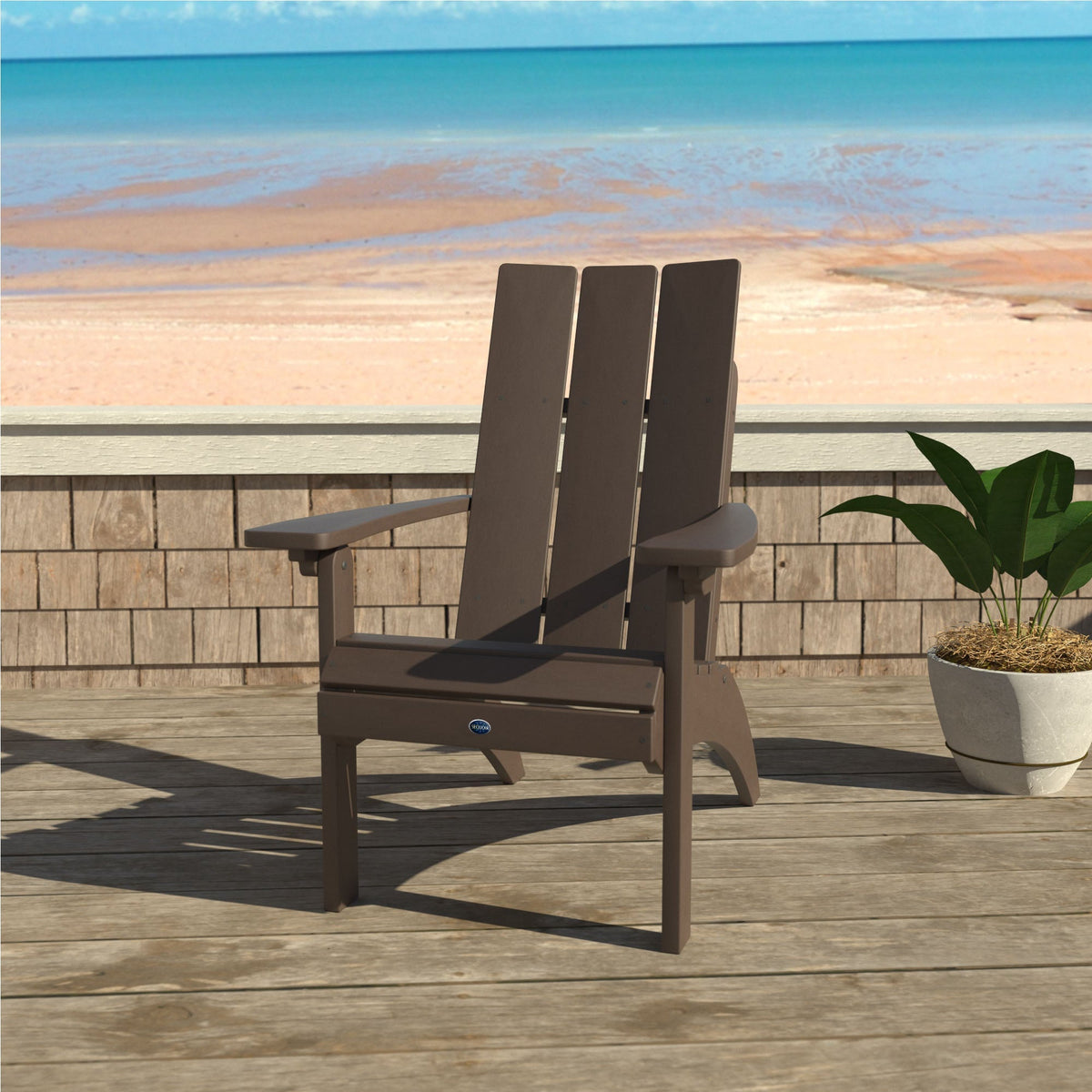
Vacation Home Furnishings currently carries Covermates options for different furniture shapes, including outdoor chair and Adirondack-chair covers.
Create a Simple Inspection Checklist
Outdoor furniture should be inspected during each turnover.
Your team can quickly check:
- Are all chairs stable?
- Are cushions present and properly placed?
- Are tables clean?
- Is anything cracked or damaged?
- Are covers intact?
- Has furniture moved from its normal location?
- Is there standing water?
- Does anything need attention before the next guest arrives?
A quick inspection can identify small problems before the next guest discovers them.
Don't Let Damp Cushions Sit in a Pile
After rain, cushions need an opportunity to dry.
Avoid stacking damp cushions together or placing them into enclosed storage before they have dried adequately.
If your property frequently experiences rain, establish a specific procedure for how your team handles wet cushions.
That removes guesswork during turnovers.
Make Cleaning Supplies Easy to Access
Property managers should not make outdoor cleaning more complicated than necessary.
Keep manufacturer-approved cleaning supplies available for routine maintenance, and make sure the turnover team knows which products are safe for each surface.
Avoid experimenting with harsh cleaners that could damage finishes or fabrics.
Plan for Storms Before the Property Is Empty
If a tropical storm or significant weather event is expected, preparation should happen before the rental sits empty.
Depending on manufacturer recommendations and local conditions, this may include:
- storing cushions
- covering furniture
- moving lightweight accessories
- securing loose patio items
- inspecting umbrellas
- protecting grills
- checking drainage areas
Never wait for a guest to be responsible for storm preparation unless that is part of a clearly defined property-management plan.
Keep Replacement Consistency in Mind
Rental furniture experiences more use than most residential furniture.
Eventually, something may need to be repaired or replaced.
Choosing coordinated collections can make future replacement easier because individual tables, chairs or benches may blend better with the existing design.
This is another reason to think beyond one-time purchasing and consider how the patio will be maintained over several seasons.
Give Guests Simple Instructions
You do not need a long list of patio rules.
A short, friendly note can cover the essentials:
- where cushions belong
- whether covers should be used
- grill procedures
- what to do during severe weather
- who to contact if something breaks
Clear instructions reduce confusion.
Final Thoughts
The best vacation-rental patio is not necessarily the one with the most furniture.
It is the one that looks inviting to guests and remains manageable for the people taking care of the property.
Durable furniture, proper covers, consistent layouts and a simple turnover routine can reduce unnecessary headaches while keeping the outdoor space ready for the next arrival.
Furnish a Vacation Property for Long-Term Use
Explore outdoor pieces for vacation homes, rental properties and second homes.
Need help choosing pieces for a particular property?