
How to Protect Outdoor Cushions From Rain, Mildew, and Humidity
Outdoor cushions make patios and backyards more comfortable, but they also tend to be one of the first things to show wear during rainy season and humid weather. Even when cushions are designed for outdoor use, repeated moisture, long wet periods, and poor storage habits can shorten their life and make outdoor spaces feel harder to maintain.
For homeowners, second-home owners, and property managers, learning how to protect outdoor cushions is one of the simplest ways to keep a patio looking better and performing better through late summer and early fall.
In this guide, we’ll cover practical ways to protect outdoor cushions from rain, humidity, and mildew so they stay cleaner, drier, and more usable over time.
Why Outdoor Cushions Need Extra Attention
Outdoor cushions are designed for outdoor living, but they still deal with a lot of exposure. Rain, strong sun, humidity, pollen, and debris can all affect how they look and feel over time.
During wetter months, cushions are more likely to deal with:
- repeated moisture exposure
- slower drying times
- mildew risk in humid conditions
- dirt and debris buildup
- more frequent cleaning needs
Because cushions are softer and more absorbent than frames or hard surfaces, they often need a little more care than the furniture itself.
Start With Better Outdoor Fabrics
The first step in protecting outdoor cushions is choosing better materials from the start. Higher-quality outdoor fabrics are usually designed to better resist moisture, fading, and mildew than basic alternatives.
When possible, look for cushions made with:
- performance outdoor fabrics
- mildew-resistant materials
- UV-resistant fabric
- quick-drying cushion construction
- removable covers when available
Better materials make routine maintenance easier and improve long-term performance in real outdoor conditions.
Bring Cushions In During Heavy Rain
One of the easiest ways to help cushions last longer is to bring them inside or place them in a protected area when major rain is expected.
This is especially helpful during:
- long rain events
- tropical storm conditions
- periods of repeated daily rain
- times when the home will be empty for a while
Even a short-term move to a covered space can help reduce excess moisture exposure.
Use Outdoor Covers When Cushions Stay Outside
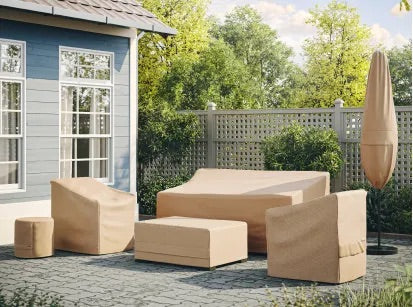
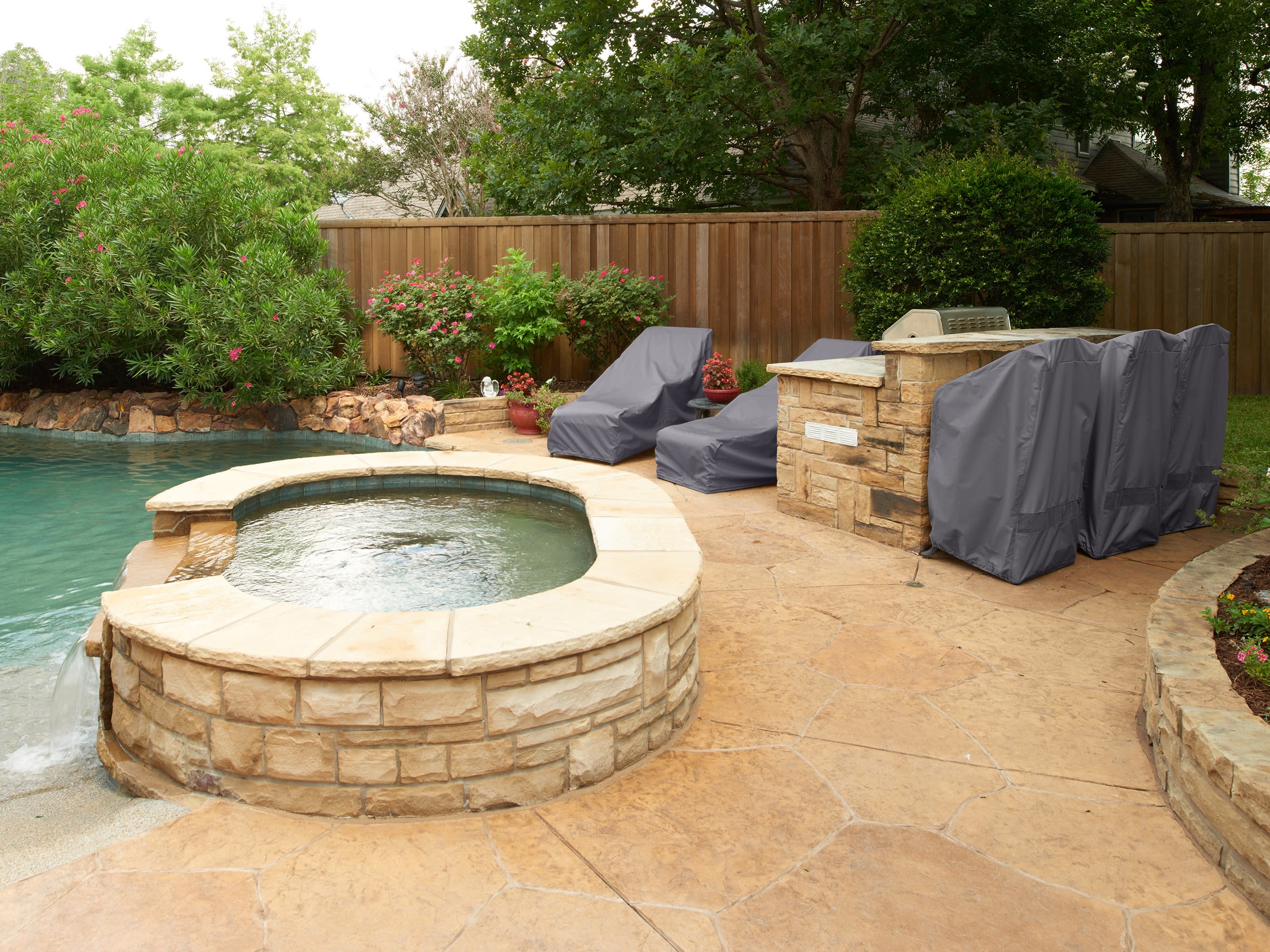
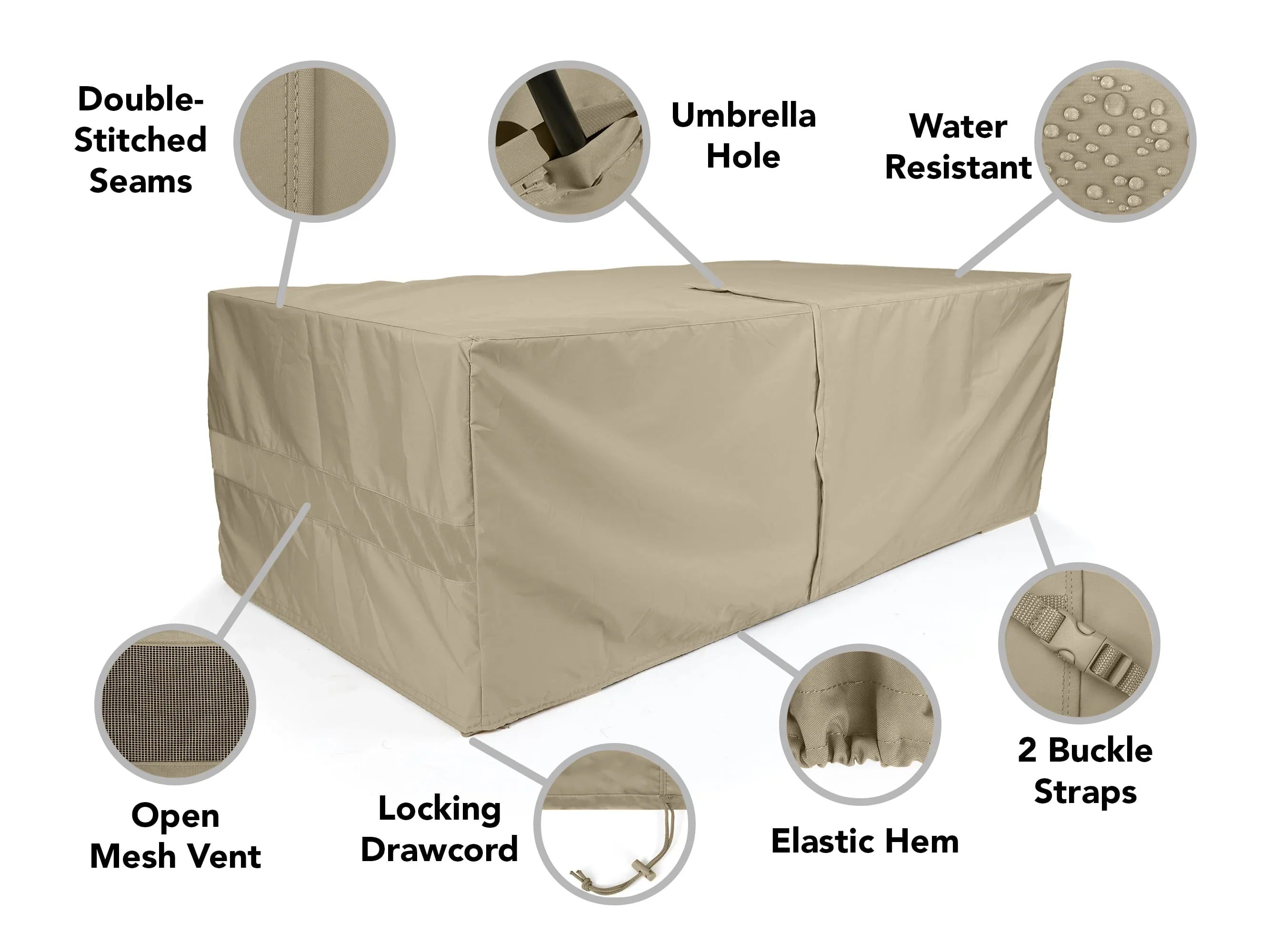
If you do not want to move cushions often, covers can help add a layer of protection. Furniture covers can reduce direct exposure to rain and debris and help keep outdoor seating cleaner between uses.
Covers are especially useful for:
- sectionals
- deep seating sets
- lounge furniture
- patios that are not fully covered
- second homes and vacation properties
For many buyers, covers are one of the easiest ways to help protect both furniture frames and cushions together.
Let Cushions Dry Fully
If cushions do get wet, it is important to let them dry thoroughly. Trapped moisture is one of the biggest reasons outdoor cushions develop odor, mildew, or an overall worn feeling.
After rain, try to:
- stand cushions upright if possible
- separate them so air can move around them
- avoid stacking damp cushions
- wipe away excess water when needed
Good airflow helps cushions dry more effectively and reduces long-term moisture problems.
Keep Cushions Clean During Humid Months
Humidity can make dirt and debris cling more easily to fabrics, especially if the patio is exposed to pollen, leaves, or dust. Regular light cleaning helps keep cushions looking better and reduces buildup that can sit in damp conditions.
Simple upkeep includes:
- brushing off loose debris
- wiping surfaces when needed
- following the manufacturer’s care guidance
- keeping the surrounding patio area clean
Small cleaning habits often help prevent bigger maintenance issues later.
Best Cushion Protection Tips for Vacation Homes
Vacation homes and second homes often go days or weeks between visits, which means outdoor cushions can sit through changing weather without anyone checking them.
That makes it especially important to:
- use covers when the property is empty
- store loose cushions when possible
- choose performance fabrics
- avoid leaving cushions exposed through extended rain periods
This is one of the easiest ways to reduce upkeep and help the patio stay ready for the next visit.
Common Mistakes to Avoid
When protecting outdoor cushions, avoid these common mistakes:
Leaving cushions out through long wet periods
Even outdoor-rated fabrics benefit from protection when the weather stays damp.
Storing cushions while still wet
Moisture trapped in storage can create even bigger mildew problems.
Ignoring humidity
Rain is not the only concern. Humid air also affects drying and long-term freshness.
Waiting too long to clean them
Light, regular upkeep is easier than deep cleaning later.
Final Thoughts
Outdoor cushions help make a patio feel inviting and comfortable, but they also need a little extra care during rainy season and humid weather. Better materials, good drying habits, outdoor covers, and simple upkeep can make a big difference in how well cushions hold up over time.
For homeowners, vacation-home owners, and property managers, these small steps can help keep outdoor spaces more attractive, more usable, and easier to maintain.
Shop Outdoor Covers and Patio Protection
Looking for a better way to protect your cushions and outdoor seating during wet weather? Explore our outdoor covers below.
You can also browse our outdoor furniture collection here:
Questions before you buy? Contact us here