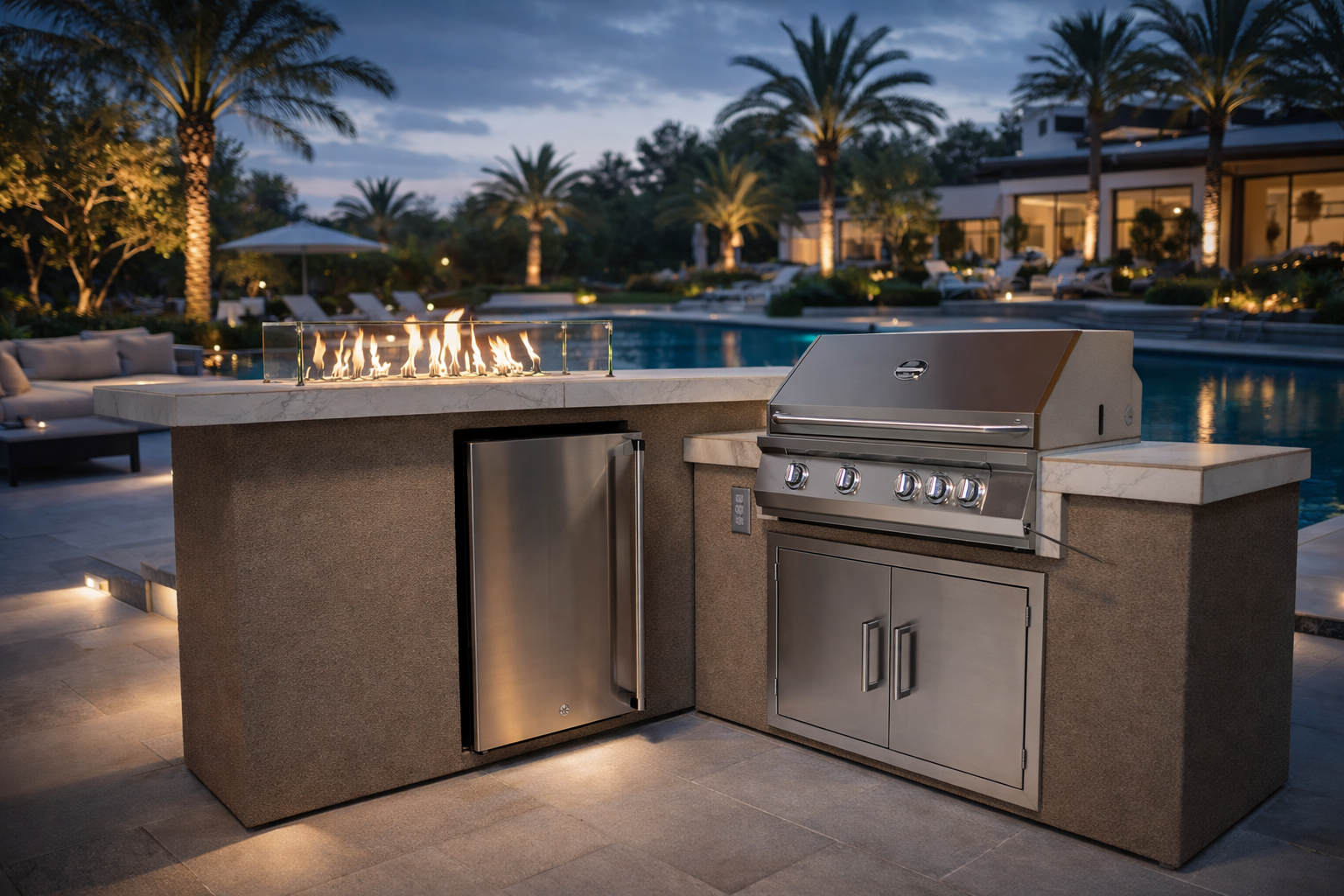

Article: Best Outdoor Furniture for Coastal Homes and Salt-Air Climates
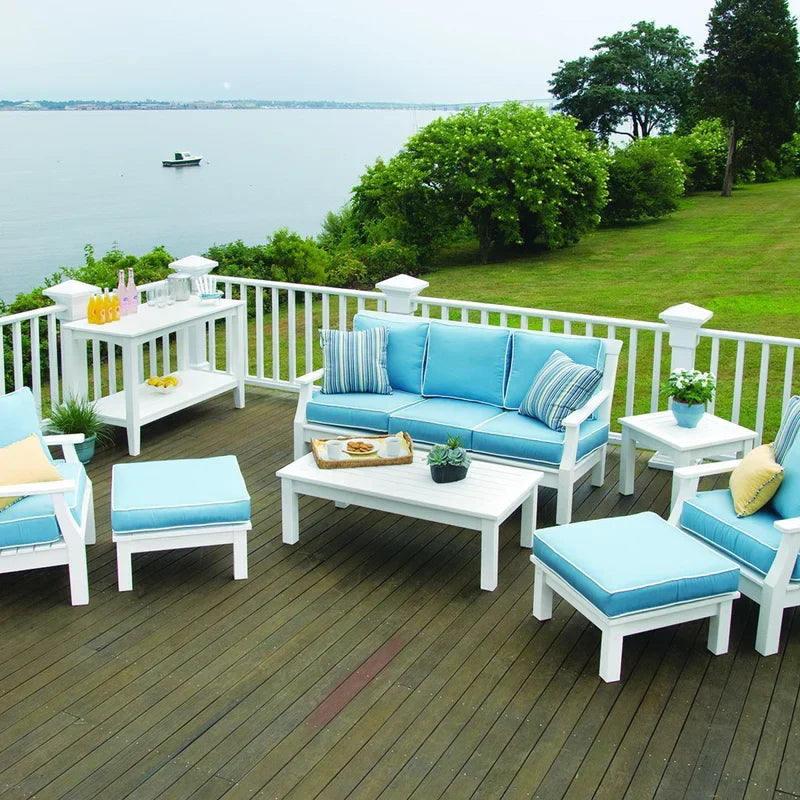
Best Outdoor Furniture for Coastal Homes and Salt-Air Climates
If you own a coastal home, beach house, or vacation property near the ocean, outdoor furniture needs to do more than just look good. It also needs to hold up against salt air, moisture, strong sun, wind, and temperature changes.
Many homeowners make the mistake of choosing patio furniture based only on style. In coastal climates, that usually leads to fading, rust, corrosion, cracking, or premature wear. The better approach is to choose outdoor furniture made from materials that are proven to perform in salt-air environments while still giving you the premium look and feel you want for your space.
In this guide, we’ll cover the best outdoor furniture materials for coastal homes, what to avoid, and how to choose pieces that are built for long-term outdoor use.
Why Coastal Homes Need More Durable Outdoor Furniture
Outdoor furniture in coastal regions faces a different level of wear than furniture used inland. Salt in the air can speed up corrosion on low-quality metals. Constant sun exposure can fade finishes and weaken certain materials. Moisture and humidity can also affect cushions, frames, and hardware over time.
For second homes and vacation properties, the challenge is even bigger. If the home sits empty part of the year, furniture may go longer without cleaning, covering, or regular maintenance. That makes durability even more important.
The best outdoor furniture for coastal homes should combine three things:
- resistance to salt-air corrosion
- strong performance in sun and humidity
- low-maintenance construction that still looks elevated
Best Outdoor Furniture Materials for Salt-Air Climates
Not all outdoor furniture materials perform equally near the coast. Some are much better suited for beach homes and oceanfront patios than others.
1. Marine-Grade Polymer and Poly Lumber
Marine-grade polymer and high-quality poly lumber are some of the best choices for coastal outdoor living. These materials are designed to resist moisture, salt air, fading, and cracking, and they typically require very little upkeep.
They are especially good for:
- beach house patios
- poolside seating areas
- second homes
- vacation rental properties
Poly-style outdoor furniture also works well for homeowners who want a long-lasting option without constant maintenance.
2. Powder-Coated Aluminum
Aluminum is a strong choice for coastal environments because it is lighter than steel and naturally more resistant to rust. When paired with a quality powder-coated finish, it can offer a clean, premium look and better durability in humid and salty conditions.
This makes aluminum ideal for:
- outdoor dining sets
- sectional frames
- lounge chairs
- conversation seating
That said, quality matters. Lower-end aluminum furniture may still wear faster if the finish is poor or the hardware is not built for outdoor exposure.
3. Teak
Teak remains one of the most popular premium materials for outdoor furniture, especially in luxury and coastal settings. It naturally contains oils that help it resist moisture and insects, and it can age beautifully over time.
For homeowners who like a more natural, warm look, teak is a strong option. It works especially well for:
- dining tables
- lounge chairs
- benches
- accent seating
Teak does require some maintenance if you want to preserve its original golden tone. If left untreated, it will naturally weather into a silver-gray finish, which many homeowners actually prefer.
4. Performance Outdoor Fabrics
Cushions matter just as much as frames. In coastal climates, look for high-performance outdoor fabrics that are designed to resist fading, mildew, and moisture.
The right outdoor fabric can help maintain both comfort and appearance, especially in spaces used for entertaining or guest stays.
Look for cushions that offer:
- UV resistance
- quick-drying properties
- mildew resistance
- removable covers when possible
Outdoor Furniture Materials to Be Careful With Near the Coast
Some materials can still work outdoors, but they are usually less ideal for salt-air climates unless they are extremely well made and carefully maintained.
Steel
Steel furniture can feel sturdy and substantial, but unless it is specially treated and protected, it is generally more vulnerable to rust and corrosion in coastal environments than aluminum or polymer-based materials.
Low-Quality Wicker
All-weather wicker can work well outdoors, but low-quality wicker products often break down faster when exposed to strong sun, salt, and humidity. If you choose wicker-style outdoor furniture, focus on well-made synthetic materials over cheaper alternatives.
Soft Woods and Lower-End Composites
Some lower-cost wood and composite materials may not hold up as well in harsh coastal conditions. They may be more likely to crack, fade, warp, or require more upkeep over time.
Best Outdoor Furniture for Vacation Homes and Second Homes
If you are furnishing a second home or vacation property, your best choice is usually not the most delicate or trend-driven option. It is the furniture that still looks great after real outdoor exposure and requires less hands-on upkeep.
For vacation homes, prioritize furniture that is:
- low maintenance
- weather resistant
- easy to clean
- durable enough for regular guest use
- timeless in style
This is especially important if the home is used seasonally or rented out part of the year. Durable outdoor furniture can reduce replacement costs, improve guest experience, and make the property feel more polished and complete.
Style Still Matters: Choosing Coastal Furniture That Looks Premium
Durability does not mean sacrificing design. Many of today’s best coastal-friendly outdoor furniture pieces combine long-lasting materials with elevated styling.
For a more current look, homeowners are leaning toward:
- clean-lined silhouettes
- modular seating layouts
- neutral and earth-toned palettes
- warm wood tones
- soft sand, sage, and terracotta-inspired accents
This gives outdoor spaces a more refined, relaxed look while still fitting with the practical demands of coastal living.
How to Make Outdoor Furniture Last Longer Near the Ocean
Even the best outdoor furniture benefits from good care. A few simple habits can help extend the life of your investment.
Rinse furniture periodically
Salt buildup can wear on surfaces over time. A light rinse with fresh water can help reduce long-term damage.
Use covers when appropriate
Outdoor covers can help protect furniture from sun, moisture, and debris, especially during periods when the home is not in use.
Clean cushions and frames regularly
Regular cleaning helps maintain appearance and prevents buildup from humidity, pollen, or salt.
Choose the right materials from the start
The biggest factor is still the product itself. Choosing furniture designed for outdoor exposure is the best long-term decision.
Final Thoughts
The best outdoor furniture for coastal homes is furniture that balances durability, comfort, and design. Salt air, sun, and moisture can be tough on lower-quality materials, so investing in the right construction from the start can save money and frustration later.
If you are furnishing a beach house, second home, or vacation property, focus on materials like marine-grade polymer, poly lumber, powder-coated aluminum, teak, and performance fabrics. These options are better suited for coastal outdoor living and can help your patio or backyard stay attractive and functional for years to come.
Shop Outdoor Furniture Built for Better Outdoor Living
Looking for premium outdoor furniture for a coastal home, second home, or backyard upgrade? Explore our collection of outdoor furniture designed to help you create a more comfortable, durable, and inviting outdoor space.